
When Representation Masks Prejudice
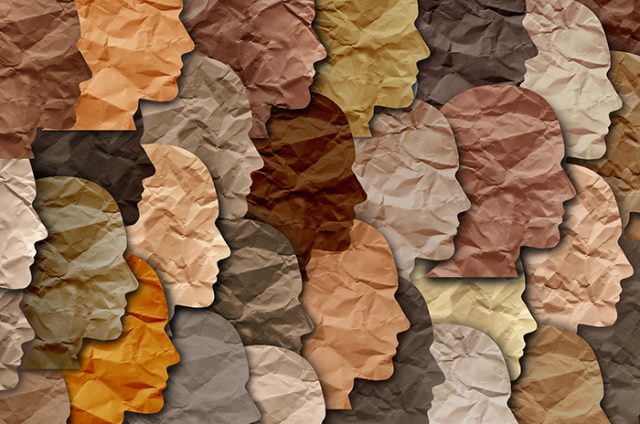
When calls for advertising to mirror a nation’s ethnic makeup are framed as demands for fairness, they can also conceal a darker logic: the impulse to claim public visibility as a birthright. Representation matters, but insisting that public spaces always reflect a majority group’s image frequently masks entitlement, fear, and a desire to preserve cultural dominance. That insistence reduces complex social life to a zero sum contest over visibility, where one group’s presence is framed as another’s loss. The consequence is predictable: anxiety hardens into resentment, and resentment morphs into political pressure to restrict who is seen and who belongs. This is not a debate about marketing mechanics or campaign efficiency; it is a conversation about how visibility is weaponised to enforce belonging and exclusion. If we are serious about inclusion, we must recognise the difference between promoting diverse visibility and validating claims rooted in prejudice. A healthier civic imagination accepts that public representation will be partial, contested, and evolving and resists the temptation to equate symbolic presence with moral priority.